


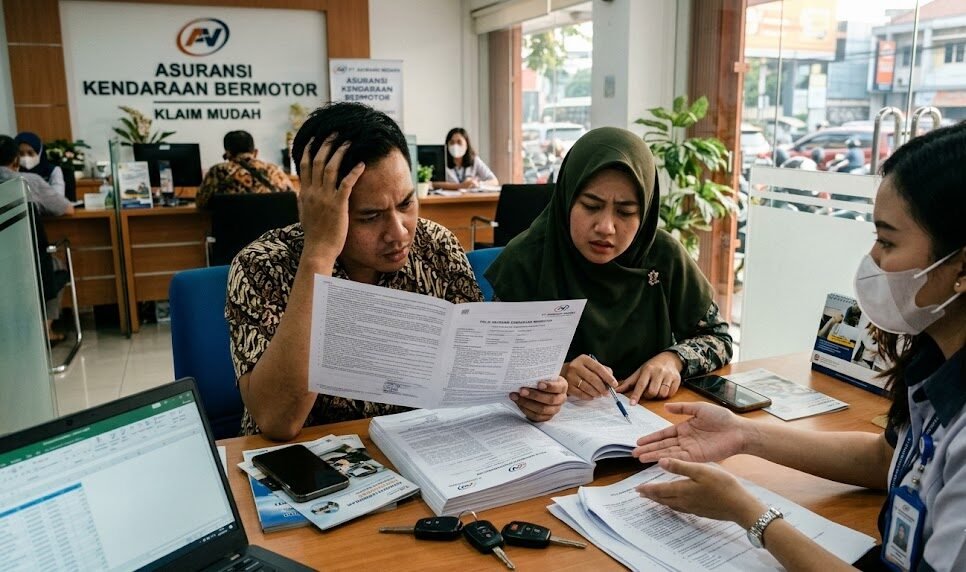
Buying a car is exciting.
Buying car insurance? Not so much.
Most people spend weeks researching vehicles, comparing specifications, watching reviews, and negotiating prices. Yet when it comes to insurance, many buyers make decisions in just a few minutes. They select the cheapest option, trust a salesperson’s recommendation without asking questions, and assume all policies provide the same protection.
Unfortunately, that’s where costly mistakes begin.
In Indonesia, car insurance is often viewed as an administrative requirement rather than a financial safety net. Many drivers don’t fully understand what they’re purchasing until they need to file a claim. By then, discovering gaps in coverage can become an expensive lesson.
The good news is that most insurance mistakes are avoidable.
Understanding the common pitfalls can help you choose smarter coverage, protect your investment, and avoid unpleasant surprises when accidents, theft, floods, or other unexpected events occur.
Let’s explore the biggest mistakes Indonesians make when buying car insurance—and how you can avoid them.
Treating Insurance as a Price Competition
One of the most common mistakes is focusing exclusively on premiums.
Everyone wants to save money, which is understandable. However, the cheapest policy isn’t always the best value.
Low-cost insurance often comes with limitations, exclusions, higher deductibles, or reduced benefits. Some policies appear affordable initially but provide inadequate protection when you actually need assistance.
Insurance should be evaluated based on coverage, service quality, claims support, and reliability—not just monthly or annual cost.
Saving a small amount today could lead to significant expenses later.
Not Understanding the Difference Between Comprehensive and TLO
Many Indonesian drivers choose insurance without understanding the coverage types available.
Comprehensive insurance generally covers a wide range of damages, including minor accidents, scratches, dents, and major repairs.
Total Loss Only (TLO) insurance works differently.
Typically, TLO coverage applies when damage exceeds a specific threshold or when the vehicle is stolen.
Some buyers select TLO because it’s cheaper, only to discover later that minor accident repairs aren’t covered.
Understanding the difference is essential before making a decision.
Assuming New Cars Automatically Need the Most Expensive Policy
A new vehicle deserves protection, but that doesn’t always mean purchasing every available add-on.
Some buyers choose premium packages filled with features they may never use.
Others purchase overlapping coverage without realizing it.
The goal isn’t to buy the most expensive policy.
The goal is to buy the most appropriate policy.
Your driving habits, vehicle value, location, and risk profile should influence coverage decisions more than marketing materials.
Ignoring Policy Exclusions
Insurance policies contain exclusions.
Many people never read them.
This becomes problematic because exclusions define situations where claims may be denied.
Certain policies may not cover damage caused by floods, riots, earthquakes, illegal modifications, or unauthorized drivers.
Indonesia experiences seasonal flooding in several regions.
Ignoring flood-related exclusions can become a particularly costly mistake.
Always review exclusions carefully before signing any agreement.
Underestimating Flood Risks
Flood damage remains one of the most significant threats to vehicles in many Indonesian cities.
Despite this reality, countless buyers skip flood protection to reduce premiums.
The decision often seems reasonable until heavy rain arrives.
Modern vehicles contain sophisticated electronics that can suffer severe damage when exposed to water.
Repair costs can be substantial.
For drivers living in flood-prone areas, flood coverage deserves serious consideration.
Choosing Insurance Based Solely on Dealer Recommendations
Dealerships frequently offer insurance packages during vehicle purchases.
While these options can be convenient, they shouldn’t be accepted automatically.
Some buyers assume dealer recommendations represent the best available choice.
That isn’t always true.
Comparing multiple insurers often reveals better pricing, stronger coverage, or superior customer service.
Convenience is valuable.
But informed comparison shopping is usually even more valuable.
Forgetting About Claim Service Quality
Many buyers focus heavily on premiums and coverage details while ignoring claim experiences.
This is a major mistake.
The true value of insurance becomes apparent during the claims process.
An insurer with excellent customer support, fast approvals, and efficient repair networks may justify slightly higher premiums.
A cheaper policy accompanied by frustrating claims procedures can quickly become a source of stress.
Researching customer reviews and claim satisfaction ratings is worthwhile.
Not Checking Authorized Repair Networks
Repair quality matters.
Some policies provide access to extensive authorized workshop networks, while others offer more limited options.
Many buyers overlook this detail.
When accidents occur, access to reputable repair facilities can significantly affect both convenience and repair quality.
Before purchasing coverage, confirm whether your preferred workshops participate in the insurer’s network.
This simple step can prevent future frustration.
Providing Inaccurate Information
Insurance applications require accurate information.
Some applicants intentionally or unintentionally provide incorrect details regarding vehicle usage, ownership, modifications, or driver profiles.
This may seem harmless initially.
However, inaccurate information can create complications during claim evaluations.
In serious cases, claims may be reduced or denied entirely.
Honesty protects both parties and helps ensure smooth claim processing.
Ignoring Additional Coverage Options
Not every add-on is necessary.
But dismissing all optional coverage can also be a mistake.
Depending on individual circumstances, protections such as flood coverage, personal accident benefits, third-party liability, and roadside assistance may provide significant value.
Many drivers automatically reject extras without evaluating actual risks.
A more thoughtful approach involves selecting add-ons that align with real-world needs.
Customization often creates better protection than standard packages.
Overlooking Third-Party Liability Protection
Many drivers focus exclusively on protecting their own vehicle.
That’s understandable.
However, accidents can also involve damage to other vehicles, property, or individuals.
Third-party liability coverage helps address these situations.
Without adequate protection, out-of-pocket expenses can become substantial.
Drivers should carefully evaluate potential financial exposure before deciding to skip liability-related coverage.
Failing to Review Coverage Annually
Insurance needs change over time.
Vehicles age.
Driving habits evolve.
Personal financial situations shift.
Yet many policyholders simply renew existing coverage year after year without conducting reviews.
This habit can result in overpaying or maintaining unsuitable protection.
An annual review helps ensure coverage remains aligned with current circumstances.
Small adjustments can sometimes produce significant savings or improved protection.
Assuming Modifications Are Automatically Covered
Indonesia has a vibrant automotive modification culture.
Custom wheels, body kits, suspension upgrades, premium audio systems, and performance modifications are common.
Unfortunately, many owners assume these additions are automatically covered.
That assumption can create problems.
Certain modifications may require declaration, additional coverage, or policy adjustments.
Discuss modifications openly with insurers to avoid misunderstandings later.
Waiting Too Long to Report Incidents
After an accident, some drivers delay reporting incidents.
They may hope problems resolve independently or assume repairs will be inexpensive.
Insurance companies typically impose reporting deadlines.
Failure to notify insurers promptly can complicate claims.
When incidents occur, immediate communication is usually the safest approach.
Prompt reporting protects your rights and helps accelerate resolution.
Believing Insurance Covers Everything
Perhaps the biggest misconception is the belief that insurance covers every possible situation.
No policy provides unlimited protection.
Every insurance product includes conditions, exclusions, limitations, and responsibilities.
Understanding those boundaries is critical.
Well-informed policyholders experience fewer surprises and make better decisions.
Insurance works best when expectations align with reality.
Knowledge is just as important as coverage itself.
The Smart Way to Buy Car Insurance
Choosing car insurance doesn’t need to be complicated.
Start by evaluating your vehicle, driving habits, location, and financial priorities.
Compare multiple providers.
Read policy details carefully.
Ask questions whenever something seems unclear.
Focus on long-term value rather than the lowest premium.
Most importantly, remember that insurance exists to provide peace of mind.
The right policy should make you feel protected—not confused.
Conclusion
Car insurance is one of the most important financial tools available to vehicle owners.
Yet many Indonesians continue making avoidable mistakes that reduce protection and increase risk.
Choosing coverage based solely on price, ignoring exclusions, underestimating flood risks, and overlooking claims service quality are among the most common errors.
Fortunately, every one of these mistakes can be avoided through research, comparison, and careful decision-making.
A few extra hours spent evaluating insurance options today can save significant money, time, and stress in the future.
When it comes to protecting your vehicle, informed choices are always worth the effort.
Frequently Asked Questions (FAQ)
What is the difference between Comprehensive and TLO insurance?
Comprehensive insurance covers a wide range of damages, including minor accidents, while TLO generally applies to total loss situations or severe damage beyond a specified threshold.
Is flood coverage important in Indonesia?
Yes. In many regions, seasonal flooding presents a significant risk to vehicles, making flood protection highly valuable.
Should I buy insurance from the dealership?
Dealer-provided insurance can be convenient, but comparing multiple insurers often helps identify better coverage and pricing options.
Are vehicle modifications covered by insurance?
Not always. Certain modifications may require declaration and additional coverage depending on the insurer.
How often should I review my insurance policy?
Reviewing your policy annually helps ensure coverage remains appropriate for your vehicle and circumstances.
Is the cheapest insurance policy always the best choice?
No. Coverage quality, claims service, repair networks, and policy benefits are often more important than premium cost alone.
