


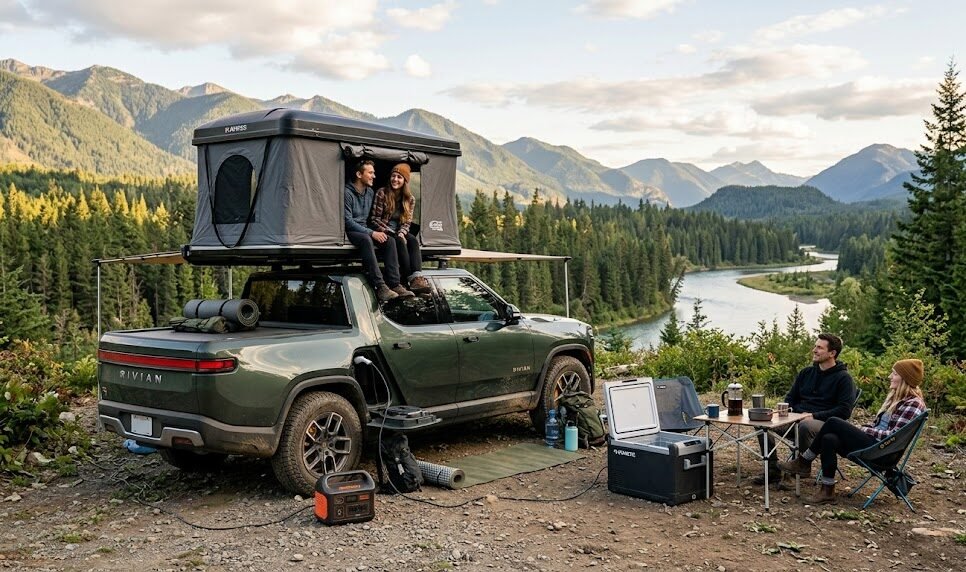
HALOSUMUT AUTONET – The growing popularity of electric vehicles is reshaping not only daily commuting but also the way people experience outdoor adventures. In 2026, a new generation of travelers is embracing electric mobility for camping trips, overland journeys, and weekend escapes, proving that sustainability and exploration can go hand in hand.
As battery technology advances and charging infrastructure expands, electric vehicles (EVs) are becoming increasingly practical for long-distance travel. What was once considered a limitation for outdoor enthusiasts has evolved into a compelling advantage, with many EVs now offering features specifically designed for camping, remote work, and extended road trips.
For adventure seekers, the modern electric vehicle is no longer just a means of transportation—it is becoming a mobile basecamp.
The Rise of Electric Adventure Travel
Outdoor tourism has experienced significant growth over the past several years, driven by increasing interest in nature-based experiences, wellness travel, and flexible lifestyles.
At the same time, consumers are becoming more environmentally conscious, creating strong demand for transportation solutions that reduce emissions without sacrificing convenience.
Electric vehicles align closely with these evolving priorities by offering:
- Lower operating costs
- Quiet driving experiences
- Reduced environmental impact
- Advanced onboard technology
- Enhanced energy efficiency
These benefits are making EVs attractive options for both casual campers and serious outdoor enthusiasts.
What Makes an EV Ideal for Camping?
Not every electric vehicle is designed with adventure travel in mind.
The best camping-focused EVs typically combine long driving range, cargo capacity, off-road capability, and innovative energy management systems.
Key features include:
Long Battery Range
Extended range reduces charging anxiety and allows travelers to reach remote destinations more comfortably.
Vehicle-to-Load (V2L) Capability
Many modern EVs can power external devices such as:
- Portable refrigerators
- Coffee makers
- Camping lights
- Cooking equipment
- Laptops and electronics
This effectively transforms the vehicle into a portable energy station.
Spacious Cargo Areas
Camping equipment often requires substantial storage capacity, making interior flexibility a critical factor.
Advanced Navigation Systems
Integrated route planning helps drivers identify charging stations and optimize energy consumption throughout a journey.
Top EVs for Road Trips and Outdoor Travel in 2026
Several electric vehicles stand out for their ability to support camping and outdoor adventures.
Rivian R1T
Widely regarded as one of the most adventure-oriented EVs on the market, the Rivian R1T offers impressive off-road capability, generous storage solutions, and innovative camping accessories.
Rivian R1S
Designed for families and explorers, the R1S combines rugged performance with premium comfort and substantial cargo capacity.
Hyundai IONIQ 5
The IONIQ 5 has become popular among campers thanks to its Vehicle-to-Load technology, spacious interior, and fast-charging capabilities.
Kia EV9
Offering ample passenger and cargo space, the EV9 is well suited for family camping adventures and extended road trips.
Tesla Model Y
Tesla’s extensive charging network and efficient energy management make the Model Y a strong contender for long-distance travel.
Comparing Leading Adventure-Focused EVs
| Vehicle | Key Strength | Adventure Use Case |
|---|---|---|
| Rivian R1T | Off-Road Capability | Remote Camping |
| Rivian R1S | Family Adventure | Long-Distance Travel |
| Hyundai IONIQ 5 | V2L Functionality | Weekend Camping |
| Kia EV9 | Spacious Interior | Family Road Trips |
| Tesla Model Y | Charging Ecosystem | Cross-Country Travel |
Each model offers a unique balance of practicality, technology, and adventure readiness.
How Charging Infrastructure Is Expanding Outdoor Possibilities
One of the biggest concerns among outdoor travelers has traditionally been charging availability.
However, charging networks are expanding rapidly across major travel corridors, national parks, and tourism destinations.
Several factors are improving accessibility:
- Ultra-fast charging stations
- Better route-planning software
- Increased charger density
- Partnerships between tourism operators and charging providers
As infrastructure continues to improve, EV ownership is becoming increasingly viable for outdoor-focused lifestyles.
The Financial Benefits of Electric Road Trips
Beyond environmental advantages, electric vehicles can offer meaningful cost savings for frequent travelers.
Potential Savings Areas
| Expense Category | Traditional Vehicle | Electric Vehicle |
|---|---|---|
| Fuel Costs | Higher | Lower |
| Routine Maintenance | Moderate to High | Lower |
| Engine Repairs | Possible | Minimal |
| Energy Efficiency | Variable | High |
| Long-Term Operating Costs | Higher | Often Lower |
For consumers who regularly take road trips, these savings can accumulate significantly over time.
EVs as Mobile Energy Hubs
One of the most exciting developments in electric camping is the growing role of vehicles as portable power sources.
Advanced battery systems now allow some EVs to support:
- Outdoor cooking equipment
- Portable heaters
- Mobile workstations
- Emergency backup power
- Camping electronics
This capability creates new opportunities for remote work, digital nomad lifestyles, and extended outdoor stays.
Sustainability and Outdoor Recreation
Many outdoor enthusiasts are increasingly concerned about preserving natural environments.
Electric vehicles contribute to sustainability goals through:
- Reduced tailpipe emissions
- Lower noise pollution
- Improved energy efficiency
- Support for renewable energy integration
While EV production continues to face environmental challenges related to battery manufacturing, many consumers view electric mobility as an important step toward more sustainable travel.
Challenges for Electric Adventure Travelers
Despite significant progress, several obstacles remain.
Key challenges include:
- Charging access in extremely remote regions
- Cold-weather battery performance
- Charging wait times during peak travel periods
- Higher upfront vehicle costs
Manufacturers and infrastructure providers continue investing heavily to address these concerns through improved technology and expanded charging networks.
Future Trends in Electric Outdoor Travel
Industry analysts expect several innovations to further strengthen EV adoption among adventure travelers:
Solar-Integrated Camping Systems
Portable solar solutions may help supplement energy needs during extended trips.
Smarter Route Planning
AI-powered navigation tools will optimize charging stops based on weather, terrain, and driving conditions.
Enhanced Battery Technology
Future batteries are expected to offer greater range, faster charging, and improved durability.
Integrated Camping Packages
Automakers may increasingly offer factory-designed camping accessories tailored specifically for electric vehicles.
These developments could accelerate the growth of electric adventure tourism throughout the remainder of the decade.
Outlook for 2026 and Beyond
The intersection of electric mobility and outdoor recreation represents one of the most promising trends in the automotive industry.
As technology advances and infrastructure improves, electric vehicles are becoming capable of supporting travel experiences that were once considered difficult or impractical.
Consumers are increasingly recognizing that EVs can provide not only environmental benefits but also enhanced convenience, comfort, and versatility during outdoor adventures.
Electric camping adventures are no longer a futuristic concept—they are becoming a mainstream travel choice in 2026. With longer driving ranges, advanced energy capabilities, and expanding charging networks, modern EVs are transforming how people explore the outdoors.
From rugged electric pickups to family-friendly SUVs, today’s best EVs offer compelling solutions for road trips, camping excursions, and sustainable adventure travel. As innovation continues, electric vehicles are poised to become essential tools for the next generation of explorers.
