


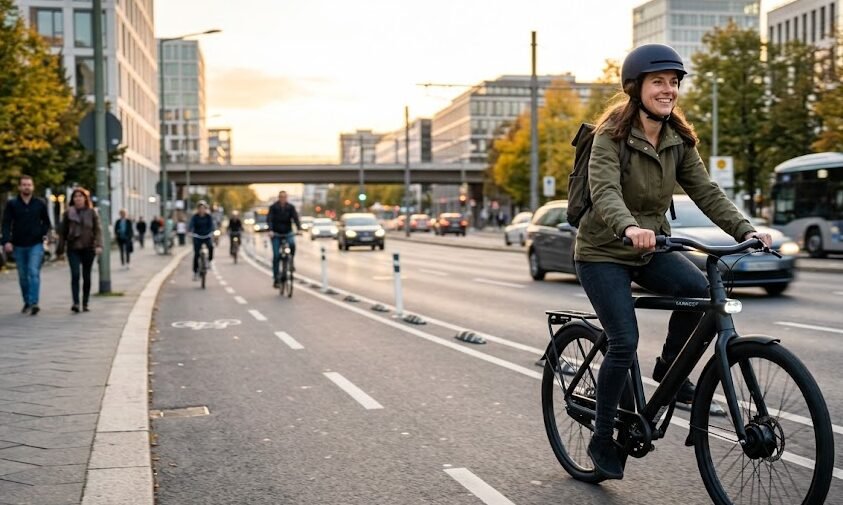
As demand for sustainable transportation continues to rise, consumers are increasingly searching for the best electric bike recommendations to suit their daily commuting, recreation, and fitness needs. Advances in battery technology, motor efficiency, and smart connectivity have transformed electric bicycles into one of the fastest-growing segments of the global mobility market.
Electric bikes, commonly known as e-bikes, now offer a wide range of options designed for different riding styles. From lightweight commuter models to powerful mountain bikes and long-range cargo bicycles, manufacturers are introducing new features that improve comfort, performance, and energy efficiency while making cycling more accessible to riders of all experience levels.
Industry experts note that today’s buyers prioritize several key factors before purchasing an electric bike, including battery capacity, motor power, riding range, charging speed, frame quality, braking performance, and after-sales service. Safety features such as integrated lighting systems, hydraulic disc brakes, GPS tracking, and anti-theft technology have also become major selling points.
Urban commuters remain among the largest customer groups driving e-bike sales. Many riders are choosing electric bicycles as an affordable alternative to cars and motorcycles, particularly in cities experiencing increasing traffic congestion and rising fuel costs. The ability to travel longer distances with less physical effort has further expanded the appeal of e-bikes for daily transportation.
Premium electric bikes continue to attract enthusiasts seeking high-performance components and smart connectivity. Many new models now include smartphone integration, digital displays, navigation support, riding analytics, and multiple power-assist modes, allowing users to customize their riding experience according to road conditions and personal preferences.
Meanwhile, budget-friendly electric bikes are becoming increasingly competitive by offering reliable performance at more affordable prices. This growing variety gives first-time buyers more opportunities to enter the e-bike market without sacrificing essential features or everyday usability.
Manufacturers are also investing heavily in battery innovation. Modern lithium-ion battery systems provide longer riding ranges, faster charging times, and improved durability, helping reduce long-term ownership costs while increasing consumer confidence in electric mobility.
Global adoption of electric bikes is expected to continue growing as governments encourage environmentally friendly transportation through cycling infrastructure, dedicated bike lanes, and sustainability initiatives. These developments are creating favorable conditions for both consumers and manufacturers across international markets.
Another emerging trend is the increasing popularity of fat-tire electric bikes and folding e-bikes. Fat-tire models offer enhanced stability on rough terrain, beaches, and gravel roads, while folding electric bikes provide practical solutions for commuters who combine cycling with trains, buses, or other forms of public transportation.
Experts also recommend that prospective buyers compare warranty coverage, replacement battery availability, local service networks, and spare parts support before making a purchase. Evaluating these factors alongside riding performance and price can help ensure better long-term value and ownership satisfaction.
As competition among manufacturers intensifies, consumers are likely to benefit from continued innovation, more competitive pricing, and a broader selection of electric bikes tailored to various lifestyles and transportation needs.
