


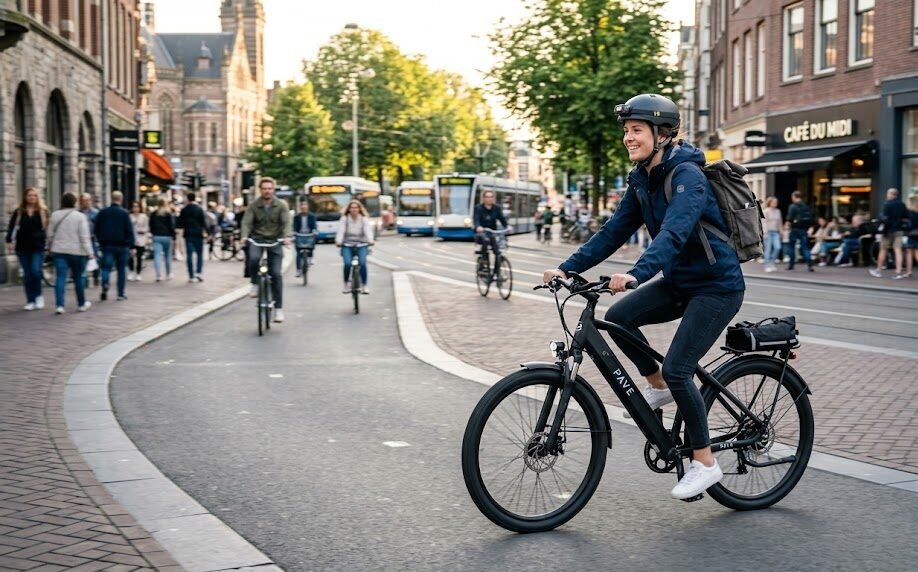
As demand for eco-friendly transportation continues to grow, Pave electric bikes are attracting attention among commuters and cycling enthusiasts seeking efficient, practical, and sustainable mobility solutions. Combining electric pedal assistance with modern design, these e-bikes are becoming an increasingly popular alternative to conventional vehicles for both daily commuting and recreational riding.
Electric bicycles have experienced significant growth worldwide as consumers look for transportation options that reduce fuel costs, minimize carbon emissions, and improve commuting efficiency. Pave electric bikes are positioned within this expanding market by offering riders an accessible way to travel longer distances with less physical effort while maintaining the flexibility of traditional cycling.
Modern Pave electric bikes are equipped with advanced features designed to enhance the riding experience. Depending on the model, users may benefit from high-capacity lithium-ion batteries, pedal-assist technology, powerful electric motors, integrated LED lighting, digital displays, and multiple riding modes that adapt to different terrains and commuting needs.
Industry observers note that battery range, charging time, motor performance, frame durability, and braking systems remain among the most important considerations for consumers when selecting an electric bicycle. Buyers are also paying closer attention to warranty coverage, maintenance support, and replacement part availability to ensure long-term ownership value.
Urban commuters continue to represent one of the fastest-growing customer segments for electric bikes. Increasing traffic congestion, rising fuel prices, and expanding cycling infrastructure have encouraged more people to consider e-bikes as an efficient solution for daily transportation. Their ability to reduce commuting time while promoting environmentally friendly travel has contributed to rising consumer interest.
Beyond personal transportation, electric bikes are increasingly being adopted by delivery services, tourism operators, and businesses seeking cost-effective mobility options. The versatility of e-bikes allows them to serve multiple purposes, from city commuting to weekend adventures and commercial deliveries.
The global electric bicycle industry is expected to continue expanding as governments invest in greener transportation initiatives and dedicated cycling infrastructure. Incentive programs in several regions have also encouraged consumers to adopt electric mobility solutions as part of broader sustainability goals.
Technological innovation is another factor driving market growth. Manufacturers are introducing features such as smartphone connectivity, GPS tracking, anti-theft systems, regenerative braking, and intelligent battery management systems that improve both convenience and riding efficiency.
Experts also recommend that prospective buyers evaluate several practical factors before purchasing an electric bike, including the intended riding environment, battery capacity, motor placement, payload capacity, and after-sales service. Choosing the right model based on individual commuting habits can improve long-term satisfaction and overall performance.
As competition within the electric mobility sector intensifies, consumers are expected to benefit from continued innovation, improved battery technology, enhanced safety features, and a wider selection of electric bikes designed to meet diverse transportation needs.
