


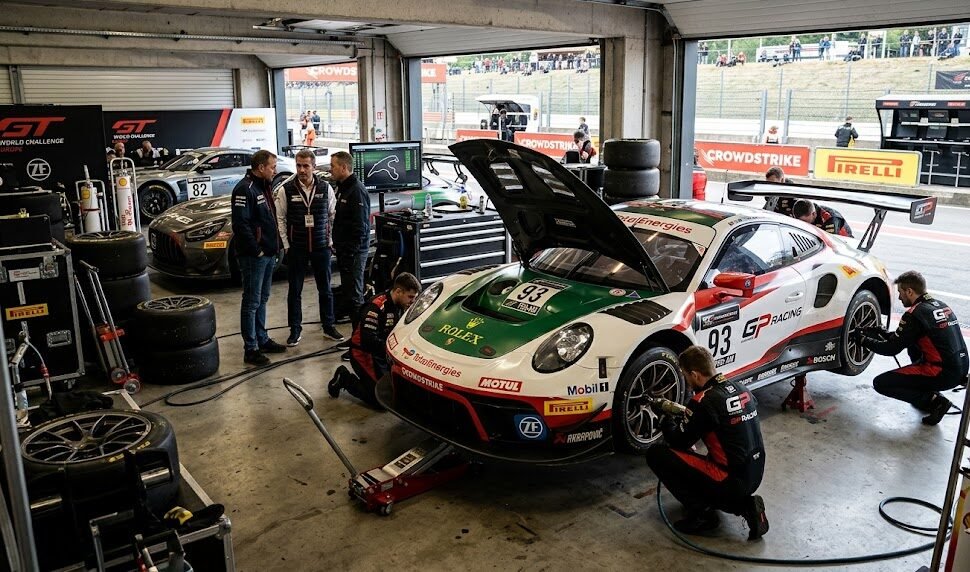
The first time I attended a GT racing event, I was mesmerized by the spectacle. Exotic sports cars thundered down the straights, pit crews operated with military precision, and thousands of fans packed the grandstands. Like many newcomers, I assumed the biggest challenge for teams was finding speed on the track. Later, after speaking with industry insiders and studying the business side of motorsport, I realized something surprising: winning races is difficult, but financing a racing team can be even harder.
Behind every GT racing machine is a complex financial ecosystem involving sponsors, manufacturers, investors, broadcasters, event organizers, and commercial partners. While fans focus on lap times and podium finishes, team managers often spend just as much time managing budgets as they do chasing performance gains.
In 2026, GT racing has evolved into one of the most commercially sophisticated categories in motorsport. Understanding how money flows through the industry offers valuable insights into why some teams thrive while others struggle to survive.
What Makes GT Racing Unique?
GT (Grand Touring) racing occupies a special position within the motorsport world.
Unlike open-wheel racing, GT competitions feature vehicles that are based on production sports cars. These race cars maintain visual similarities to road-going models while incorporating advanced engineering designed for endurance and high-performance competition.
Manufacturers benefit because GT racing provides a direct marketing connection between race victories and consumer vehicles.
This commercial relevance helps attract sponsors and investors who see value in associating their brands with premium automotive products.
Why Economics Matter in Modern GT Racing
Motorsport has always been expensive.
However, GT racing operates within a unique balance between sporting competition and commercial sustainability. Teams must invest heavily in vehicles, engineering, logistics, personnel, and technology while simultaneously generating enough revenue to remain competitive.
A successful GT team often functions as both a racing organization and a business enterprise.
Without strong financial management, even talented teams can struggle to maintain long-term success.
Understanding GT Racing Team Budgets
Budget sizes vary significantly depending on the championship, vehicle category, and competitive ambitions.
Some customer racing programs operate with relatively modest resources, while factory-backed efforts may involve multi-million-dollar annual budgets.
Typical expenses include:
- Vehicle acquisition
- Maintenance and repairs
- Driver salaries
- Engineering staff
- Transportation and logistics
- Tire and fuel costs
- Data analysis systems
- Hospitality operations
Each race weekend represents a significant financial commitment.
Unexpected crashes or mechanical failures can quickly increase operating costs.
Breakdown of Major GT Racing Expenses
| Expense Category | Budget Impact | Importance |
|---|---|---|
| Race Cars | Very High | Essential |
| Engineering Staff | High | Critical |
| Logistics | High | Essential |
| Driver Programs | Medium-High | Important |
| Tires and Consumables | Medium | Ongoing |
| Marketing Activities | Medium | Revenue Growth |
| Hospitality Services | Medium | Sponsor Relations |
Managing these costs effectively often determines whether a team can sustain multi-season participation.
Sponsorship: The Lifeblood of GT Racing
Sponsorship remains the most important revenue source for many racing teams.
Contrary to popular belief, sponsors do not simply pay for logo placement. Modern sponsorship agreements are sophisticated marketing partnerships designed to generate measurable business outcomes.
Sponsors receive value through:
- Brand exposure
- Hospitality experiences
- Networking opportunities
- Digital content integration
- Product promotion
- Corporate entertainment
A successful sponsorship program creates benefits for both the team and its commercial partners.
The strongest partnerships often extend beyond financial transactions and become strategic business relationships.
Case Study: Two Different Sponsorship Strategies
Consider two hypothetical GT racing teams.
Team A
Team A focuses exclusively on finding one large title sponsor. While this provides significant financial support, the team becomes heavily dependent on a single partner.
Team B
Team B builds a diversified sponsorship portfolio involving multiple medium-sized partners across different industries.
When economic conditions change, Team B demonstrates greater resilience because revenue sources are spread across several relationships.
This example highlights a key principle in motorsport economics: diversification often reduces financial risk.
Manufacturer Support and Factory Programs
Automotive manufacturers play a major role in GT racing.
Brands invest in racing programs to:
- Promote vehicle performance
- Enhance brand prestige
- Develop new technologies
- Strengthen customer loyalty
Factory-supported teams frequently receive:
- Technical assistance
- Financial backing
- Engineering expertise
- Marketing resources
- Access to development programs
This support can significantly improve competitiveness while reducing operational burdens.
However, manufacturer expectations are often high, requiring strong results both on and off the track.
Revenue Streams Beyond Sponsorship
While sponsorship remains essential, modern GT teams increasingly pursue multiple revenue sources.
Prize Money
Race winnings provide additional income, although prize funds rarely cover total operating costs.
Customer Racing Programs
Some teams generate revenue by operating vehicles for paying drivers.
This model has become particularly important in endurance racing.
Merchandise Sales
Fan engagement creates opportunities through branded merchandise and apparel.
Digital Content
Social media, streaming platforms, and exclusive content subscriptions are becoming increasingly valuable revenue channels.
Corporate Hospitality
VIP experiences and trackside entertainment packages provide premium business opportunities.
Successful teams treat these activities as strategic revenue-generating assets.
GT Racing Revenue Opportunity Table
| Revenue Source | Growth Potential | Stability |
| Sponsorship Deals | Very High | Medium |
| Manufacturer Support | High | Medium |
| Customer Drivers | High | High |
| Merchandise | Medium | Stable |
| Digital Media | Very High | Growing |
| Hospitality Packages | High | Strong |
The most financially stable teams often maintain a balanced mix of revenue streams.
The Growing Influence of Media Rights
Media rights have become increasingly valuable throughout global motorsport.
As streaming platforms expand their sports offerings, GT racing benefits from broader audience reach and increased visibility.
Broadcast exposure creates a powerful cycle:
- Larger audiences attract sponsors
- Sponsors provide funding
- Better-funded teams improve competition
- Improved competition attracts more viewers
This commercial ecosystem supports long-term growth across the industry.
Data and Technology as Financial Assets
Many people think of data solely as a performance tool.
In reality, data has become an important commercial asset.
Teams now analyze:
- Fan engagement metrics
- Sponsor activation results
- Audience demographics
- Digital content performance
- Brand exposure value
These insights help demonstrate return on investment to sponsors and commercial partners.
Organizations capable of proving measurable value often secure stronger sponsorship agreements.
Expert Perspective: Racing Teams Are Becoming Media Companies
One of the most interesting developments in modern GT racing is the transformation of racing teams into content creators.
Teams no longer rely exclusively on race-day exposure.
Instead, they generate year-round engagement through:
- Behind-the-scenes videos
- Driver interviews
- Social media campaigns
- Documentary content
- Interactive fan experiences
This shift expands sponsorship opportunities and creates additional commercial value.
In many ways, successful GT teams now operate as hybrid organizations combining sports performance and media production.
Challenges Facing GT Racing Economics
Despite strong growth, several challenges remain.
These include:
- Rising operational costs
- Economic uncertainty
- Increased competition for sponsorship budgets
- Technology investment requirements
- Sustainability expectations
Teams must continually adapt to changing market conditions while maintaining competitive performance.
Those capable of balancing sporting and financial objectives are most likely to succeed.
The Future of GT Racing Economics
Looking ahead, several trends will shape the industry’s financial landscape.
Expected developments include:
- Expanded digital sponsorship models
- Greater sustainability investment
- Enhanced fan monetization strategies
- AI-driven performance analysis
- Increased global audience reach
- New streaming partnerships
As technology and media continue evolving, commercial opportunities will likely become more diverse.
Teams that embrace innovation may gain significant advantages both on and off the track.
Conclusion
The economics of GT racing extend far beyond what fans see during race weekends. Behind every competitive team lies a carefully managed business structure supported by sponsorships, manufacturer partnerships, media rights, hospitality programs, and multiple revenue streams.
Success in modern GT racing requires more than engineering excellence. Financial discipline, commercial creativity, and strategic planning are equally important. Teams that master these elements position themselves for sustainable growth in one of motorsport’s most exciting and commercially dynamic categories.
As GT racing continues expanding globally, understanding its economic foundations becomes increasingly valuable for fans, investors, sponsors, and industry professionals alike.
Frequently Asked Questions (FAQ)
What is the primary source of revenue for GT racing teams?
Sponsorship agreements remain the largest revenue source for most professional GT racing teams.
How expensive is it to operate a GT racing team?
Costs vary widely depending on the championship, vehicle category, and level of competitiveness, ranging from hundreds of thousands to millions of dollars annually.
Do GT teams earn money from prize winnings?
Yes, but prize money typically represents only a portion of total team revenue.
Why do manufacturers support GT racing?
Manufacturers use GT racing to promote vehicles, strengthen brand image, and develop performance technologies.
What role does digital media play in GT racing economics?
Digital content creates additional sponsorship opportunities, fan engagement, and revenue generation beyond race events.
Can small GT teams compete financially with factory-backed teams?
While challenging, diversified revenue streams, efficient management, and strong sponsorship strategies can help smaller teams remain competitive.
