


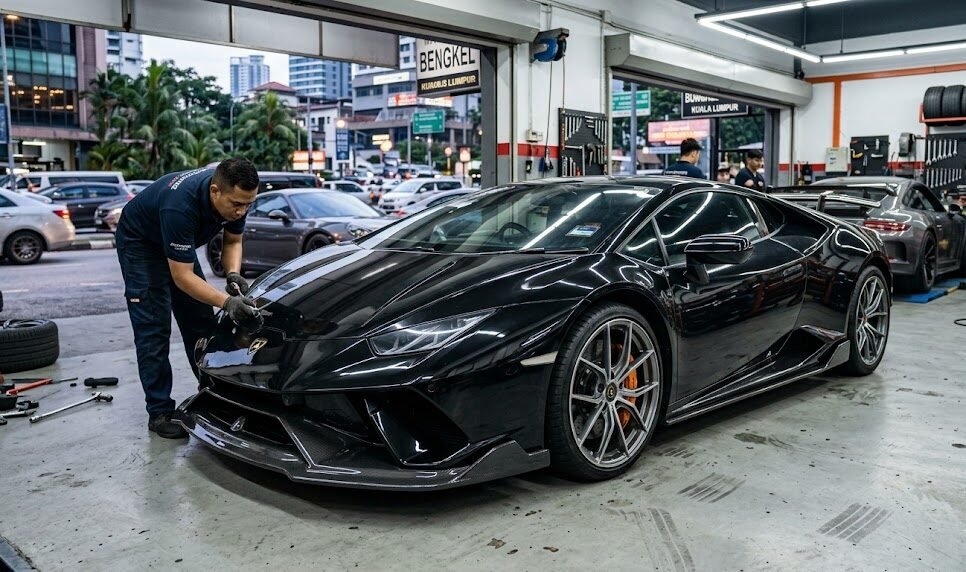
The first thing many people notice about a luxury car is not the engine, the technology, or even the badge—it is the presence. A vehicle fitted with a carbon fiber body kit commands attention before the driver even steps out. Across Southeast Asia, that visual statement is becoming increasingly valuable as affluent car owners seek ways to personalize their vehicles while improving performance.
From Jakarta and Bangkok to Kuala Lumpur and Manila, the luxury car modification scene is experiencing a remarkable transformation. What was once a niche hobby for motorsport enthusiasts has evolved into a thriving premium aftermarket segment. At the center of this movement sits one material: carbon fiber.
Industry data suggests that demand for carbon fiber body kits and aerodynamic upgrades has surged significantly in recent years, with premium customization categories showing some of the fastest growth rates in the global aftermarket sector. Carbon fiber body kits alone recorded demand growth exceeding 40% in certain aftermarket channels, highlighting strong consumer appetite for lightweight and premium styling solutions.
SEE ALSO >>> This Modified MPV Looks More Expensive Than a Supercar
Why Carbon Fiber Has Become the Material of Choice
Carbon fiber is no longer reserved exclusively for supercars and racing teams. Advances in manufacturing have made it more accessible to luxury vehicle owners seeking a balance between aesthetics and performance.
Unlike traditional fiberglass or heavier materials, carbon fiber offers an exceptional strength-to-weight ratio. The material helps reduce vehicle weight while maintaining structural durability. This contributes to better handling, improved aerodynamics, and a more aggressive visual appearance.
Luxury car owners are increasingly drawn to modifications that provide both form and function. A carbon fiber front splitter, side skirt, diffuser, or wide-body kit does more than improve appearance—it reinforces a performance-oriented identity.
For premium vehicle brands such as BMW, Mercedes-Benz, Audi, Porsche, and Lexus, carbon fiber upgrades have become status symbols that communicate exclusivity and attention to detail.
The Southeast Asian Luxury Modification Boom
Southeast Asia represents one of the most dynamic automotive markets in the world. Rising disposable income, expanding middle-class wealth, and growing enthusiasm for automotive culture are creating favorable conditions for premium aftermarket growth.
Industry forecasts indicate that Southeast Asia’s automotive aftermarket could reach approximately USD 69 billion by 2036, supported by strong growth in Indonesia, Vietnam, Thailand, Malaysia, and the Philippines.
Several factors are fueling demand:
1. Growing Luxury Vehicle Ownership
Luxury vehicle sales continue to rise across ASEAN markets. As more consumers purchase premium vehicles, demand naturally expands for personalization services that help owners stand out from factory-standard models.
2. Social Media Influence
Instagram, TikTok, YouTube, and automotive forums have transformed car customization into a lifestyle movement. Modified luxury vehicles attract significant online attention, encouraging owners to invest in premium upgrades.
3. Motorsport-Inspired Design Trends
Many carbon fiber components borrow styling cues from GT racing and professional motorsports. Enthusiasts appreciate the racing heritage associated with visible carbon fiber elements.
4. Regional Manufacturing Strength
Southeast Asia benefits from competitive manufacturing ecosystems and increasing expertise in composite materials. Regional suppliers can now produce high-quality carbon fiber products that compete internationally.
Case Study: The Jakarta Luxury Tuning Scene
A growing number of luxury vehicle owners in Indonesia are choosing subtle yet premium modifications instead of dramatic visual transformations.
Consider a BMW M4 owner in Jakarta. Rather than replacing major mechanical components, the owner may install:
- Carbon fiber front lip
- Side skirts
- Rear diffuser
- Trunk spoiler
- Mirror covers
The result is a vehicle that appears more aggressive while preserving factory reliability.
Modification workshops report that customers increasingly request OEM-style carbon fiber upgrades rather than extreme body conversions. This trend reflects a mature luxury market where refinement often matters more than shock value.
The same pattern can be observed among Mercedes-AMG and Audi RS owners throughout Southeast Asia.
Market Data Highlights
The numbers behind the trend reveal why investors and aftermarket businesses are paying close attention.
| Market Indicator | Recent Trend |
|---|---|
| Carbon Fiber Body Kit Demand | +42% YoY Growth |
| Aerodynamic Kit Demand | +38% YoY Growth |
| Southeast Asia Aftermarket Forecast | USD 69.3 Billion by 2036 |
| Carbon Fiber Segment Growth | Faster than traditional materials |
| Tuning Parts Buyer Growth | +211% YoY in some channels |
Sources indicate that premium segments such as carbon fiber body kits continue to outperform traditional plastic and fiberglass alternatives due to higher consumer willingness to pay for quality and exclusivity.
Opportunities for Businesses
The growth of carbon fiber modifications creates multiple opportunities across the automotive ecosystem.
Workshops and Installers
Professional installation remains critical because luxury vehicle owners prioritize fitment quality. Shops specializing in premium installations can command higher margins.
Parts Manufacturers
Demand for high-quality carbon fiber components continues to increase globally. Suppliers that focus on precision manufacturing and certification standards are well-positioned for growth.
E-Commerce Platforms
Digital channels are expanding access to premium modification products. Customers increasingly research and purchase components online before visiting local installers.
Automotive Content Creators
Review videos, installation guides, and vehicle showcases generate substantial engagement among modification enthusiasts. This creates advertising and sponsorship opportunities within the niche.
Challenges Facing the Industry
Despite strong growth, several challenges remain.
One of the most common concerns among buyers is authenticity. Genuine carbon fiber products command premium prices, while lower-quality alternatives often imitate the appearance without delivering the same structural benefits. Consumer communities frequently discuss the importance of material verification and manufacturing reputation.
Regulatory compliance is another factor. Some Southeast Asian countries maintain specific requirements regarding vehicle modifications, making certification and approval processes increasingly important.
Finally, precision fitment remains a key purchasing criterion. Luxury vehicle owners expect factory-level quality, and poor installation can damage both appearance and resale value.
A Unique Perspective: Carbon Fiber as a Luxury Identity
The real story behind carbon fiber body kits is not simply weight reduction.
Luxury consumers increasingly view their vehicles as extensions of personal identity. In the same way that a premium watch or tailored suit communicates status, a carefully modified luxury car tells a story about the owner’s taste, personality, and passion.
Carbon fiber occupies a unique position because it blends engineering excellence with visual sophistication. It appeals equally to performance enthusiasts and luxury lifestyle consumers.
That combination is rare—and it explains why demand continues to grow.
What the Future Looks Like
Looking ahead, several trends are expected to shape the market:
- Wider adoption of carbon fiber components in electric vehicles
- Growth of OEM-approved modification programs
- Increased use of sustainable composite materials
- Expansion of AI-assisted aerodynamic design
- Greater customization through digital manufacturing and 3D printing
As production technology becomes more efficient, carbon fiber products may become accessible to a broader segment of vehicle owners while maintaining their premium appeal.
For Southeast Asia, the combination of rising wealth, automotive enthusiasm, and manufacturing capability creates a powerful growth environment.
The luxury modification market is no longer a fringe industry—it is becoming a major contributor to the region’s automotive aftermarket economy.
FAQ
What is a carbon fiber body kit?
A carbon fiber body kit is a collection of exterior vehicle components made from carbon fiber composite materials, including bumpers, spoilers, diffusers, side skirts, and fenders.
Why are carbon fiber body kits popular?
They provide a premium appearance, reduce vehicle weight, improve aerodynamics, and are associated with motorsport performance.
Which Southeast Asian countries are leading the modification trend?
Indonesia, Thailand, Malaysia, Vietnam, and the Philippines are among the fastest-growing automotive customization markets.
Are carbon fiber body kits only for luxury cars?
No. While luxury vehicles remain the primary market, carbon fiber components are increasingly available for sports cars, performance sedans, and enthusiast vehicles.
Do carbon fiber upgrades improve performance?
Yes. Reduced weight and improved aerodynamics can enhance handling, acceleration, and overall driving dynamics.
Is the carbon fiber aftermarket expected to grow?
Yes. Industry forecasts indicate strong long-term growth driven by vehicle personalization trends, premium consumer spending, and advancements in composite manufacturing technology.
