


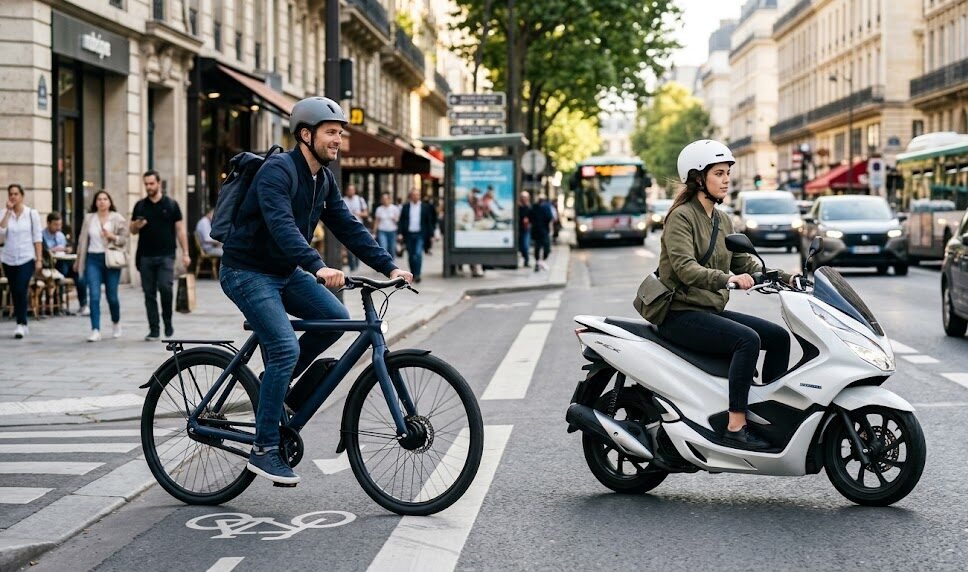
Imagine standing at a crossroads with two smart transportation options in front of you. On one side, there’s the electric bike—a quiet, eco-friendly machine that turns every commute into a mini workout. On the other side, there’s the hybrid scooter—a practical fuel-sipping vehicle that promises convenience and longer travel distances. Both claim to save money. Both claim to be the future of personal transportation.
But which one actually keeps more cash in your pocket?
As fuel prices fluctuate and urban congestion continues to grow, more people are abandoning traditional cars in favor of smaller, more efficient alternatives. Electric bikes and hybrid scooters have emerged as two of the most popular solutions. While both can dramatically reduce transportation costs, their long-term financial impact can be surprisingly different.
In this guide, we’ll compare electric bikes and hybrid scooters across purchase price, operating expenses, maintenance, insurance, depreciation, and real-world practicality to determine which option truly saves more money.
SEE ALSO >>> Electric Bikes Under $1,500 That Deliver Surprising Performance
Understanding the Basics
Before comparing costs, it’s important to understand how these two vehicles differ.
An electric bike, or e-bike, combines traditional cycling with battery-powered assistance. Riders can pedal normally, use pedal assist, or rely on throttle systems depending on the model.
A hybrid scooter combines a gasoline engine with electric technology to improve fuel efficiency. Similar to hybrid cars, these scooters use a combination of fuel and battery power to reduce consumption and emissions.
Although both aim to improve efficiency, their ownership costs vary significantly.
Initial Purchase Price
For many buyers, the first expense is often the biggest consideration.
Electric bikes generally cost between $800 and $3,000, with many excellent commuter models available between $1,000 and $1,800.
Hybrid scooters typically range from $2,500 to $6,000 depending on brand, engine size, and features.
This means that most riders can purchase a quality electric bike for less than half the cost of an entry-level hybrid scooter.
From a purely upfront financial perspective, electric bikes win easily.
Winner: Electric Bikes
Lower purchase costs make e-bikes far more accessible for budget-conscious consumers.
Fuel vs Electricity Costs
This category is where the competition becomes interesting.
Hybrid scooters are extremely fuel efficient. Many modern models achieve over 80 to 120 miles per gallon under ideal conditions.
That sounds impressive until you compare it to electricity costs.
Charging an electric bike battery often costs only a few cents per charge. In many regions, a full recharge costs less than the price of a cup of coffee.
For riders commuting daily, annual electricity expenses may remain under $50.
Meanwhile, hybrid scooter owners still need regular gasoline purchases throughout the year.
Winner: Electric Bikes
Electricity remains significantly cheaper than gasoline for personal transportation.
Maintenance Expenses
Maintenance costs are often overlooked during the buying process.
Electric bikes contain fewer mechanical components. There are no oil changes, spark plugs, fuel filters, transmissions, or engine cooling systems to maintain.
Routine maintenance usually includes:
- Tire replacements
- Brake adjustments
- Chain lubrication
- Battery care
Hybrid scooters require many of the same services as traditional gasoline-powered vehicles, although less frequently.
Owners must still budget for:
- Oil changes
- Engine maintenance
- Fuel system servicing
- Brake repairs
- Tire replacement
Over several years, these expenses accumulate significantly.
Winner: Electric Bikes
Simpler mechanical systems translate into lower maintenance costs.
Registration and Licensing
This category varies depending on local regulations.
In many countries and regions, electric bikes require no registration, license plates, vehicle taxes, or driver’s licenses.
Hybrid scooters often require:
- Registration fees
- Licensing costs
- Vehicle inspections
- Road taxes
Although individual fees may seem small, they add recurring annual expenses that electric bike owners typically avoid.
Winner: Electric Bikes
Fewer legal requirements usually mean lower ownership costs.
Insurance Costs
Insurance is another hidden expense many buyers forget to calculate.
Electric bikes generally require no mandatory insurance in many jurisdictions. Riders may optionally purchase theft or liability coverage, but it is usually inexpensive.
Hybrid scooters typically require insurance coverage by law.
Annual premiums vary based on:
- Rider age
- Driving history
- Vehicle value
- Location
Even basic scooter insurance can add hundreds of dollars per year to ownership costs.
Winner: Electric Bikes
Lower insurance requirements create substantial long-term savings.
Parking Expenses
Parking costs can quietly drain transportation budgets.
Electric bikes can often be parked for free using bike racks, secure storage areas, or personal indoor spaces.
Hybrid scooters frequently require designated parking areas. In crowded cities, parking fees can become a recurring expense.
Some urban centers charge premium rates for vehicle parking while still offering free bicycle parking.
Winner: Electric Bikes
Free parking is an underrated financial advantage.
Battery Replacement Costs
Not every category favors electric bikes.
Eventually, e-bike batteries require replacement.
Depending on battery quality and capacity, replacement costs may range from $300 to $800 every few years.
Hybrid scooters also contain batteries, but they additionally include gasoline engines that require long-term servicing.
When comparing total ownership costs, e-bike battery replacement is usually less expensive than major engine repairs.
Slight Advantage: Electric Bikes
Battery replacements are significant but still generally cheaper than long-term engine maintenance.
Range and Practicality
This is where hybrid scooters begin to fight back.
Most electric bikes offer ranges between 25 and 80 miles depending on battery size and riding conditions.
Hybrid scooters often exceed 150 to 250 miles on a tank of fuel.
For short urban commutes, e-bikes are more than sufficient.
For riders regularly traveling long distances, hybrid scooters may provide greater convenience and fewer charging interruptions.
Winner: Hybrid Scooters
Long-distance riders may find greater value despite higher operating costs.
Commuting Efficiency
Urban commuting isn’t always about speed.
Traffic congestion affects cars and scooters alike. Electric bikes often use bike lanes, shortcuts, and dedicated cycling infrastructure.
Many commuters discover that an e-bike actually provides faster door-to-door travel during rush hour.
Hybrid scooters excel in suburban environments where distances are longer and cycling infrastructure is limited.
The better option depends heavily on location.
Urban Areas: Electric Bikes
Suburban Areas: Hybrid Scooters
Environmental Savings
Environmental impact may not directly affect your wallet today, but it increasingly influences future transportation costs.
Electric bikes produce extremely low emissions and consume minimal energy.
Hybrid scooters significantly reduce fuel consumption compared to traditional motorcycles but still rely on gasoline.
As governments continue introducing emissions regulations and fuel taxes, electric transportation may become even more financially attractive.
Winner: Electric Bikes
Lower energy consumption and reduced environmental impact create long-term advantages.
Five-Year Cost Comparison
Let’s consider a simplified ownership example.
Electric Bike
Purchase Price: $1,500
Electricity Costs (5 Years): $200
Maintenance (5 Years): $500
Battery Replacement: $600
Insurance: $0–$300
Registration: $0
Estimated Total: $2,800–$3,100
Hybrid Scooter
Purchase Price: $4,000
Fuel Costs (5 Years): $1,500+
Maintenance (5 Years): $1,200+
Insurance: $1,500+
Registration and Fees: $500+
Estimated Total: $8,700+
Actual numbers vary by region, but the overall trend remains remarkably consistent.
Electric bikes usually cost thousands of dollars less over a multi-year ownership period.
Who Should Choose an Electric Bike?
Electric bikes are ideal for:
- Urban commuters
- Students
- Short-distance travelers
- Eco-conscious riders
- Budget-focused consumers
- Fitness enthusiasts
If your daily travel falls within battery range, an e-bike often delivers the lowest transportation costs available.
Who Should Choose a Hybrid Scooter?
Hybrid scooters are better suited for:
- Long-distance commuters
- Suburban residents
- Riders without reliable charging access
- Individuals requiring higher travel speeds
- Frequent intercity travelers
Although ownership costs are higher, the additional range and flexibility may justify the expense.
The Final Verdict
When the goal is purely saving money, electric bikes are the clear winner.
Lower purchase prices, minimal charging costs, reduced maintenance requirements, no fuel expenses, cheaper insurance, and free parking combine to create a dramatically lower total cost of ownership.
Hybrid scooters remain an excellent transportation solution, particularly for longer commutes and higher-speed travel. However, from a financial standpoint, they struggle to compete with the remarkable efficiency of modern electric bikes.
If your primary objective is maximizing savings while maintaining practical daily mobility, an electric bike is likely the smartest investment you can make.
FAQ
Are electric bikes cheaper to maintain than hybrid scooters?
Yes. Electric bikes have fewer mechanical components and generally require significantly less maintenance.
Which vehicle has lower operating costs?
Electric bikes usually have lower operating costs because electricity is cheaper than gasoline and maintenance expenses are minimal.
Do electric bikes require insurance?
In many regions, insurance is optional for electric bikes, although local laws vary.
How long does an electric bike battery last?
Most quality e-bike batteries last between 3 and 7 years depending on usage, charging habits, and environmental conditions.
Are hybrid scooters better for long-distance commuting?
Yes. Hybrid scooters generally provide longer range and higher cruising speeds, making them more suitable for extended travel.
Which option saves more money over five years?
In most scenarios, electric bikes save thousands of dollars compared to hybrid scooters when considering total ownership costs.
